Skip to content
✦Astra
Sign InEnroll today…
✦ Astra
Symbolic portraits, reflective astrology, and private identity media.

Astrology charts are always free.

Enroll today…Sign In

Public Stream

A curated first look for visitors, press, search crawlers, and AI readers.

portrait gallery

Cleopatra: image, strategy, and survival

Cleopatra ruled a kingdom under constant threat of annexation. She spoke nine languages, commanded fleets, and managed alliances with the most powerful men in the world. She did not survive as long as she did by accident.

She also understood that being seen was a political act. The barge entrance, the costuming, the theater of her arrivals — these were not vanity. They were leverage. When you have less military force than your opponent, you make yourself impossible to dismiss.

The shadow in this pattern is real. When image becomes the primary tool, it can be hard to know where strategy ends and self-erasure begins. Cleopatra died when the image could no longer hold. What she built before that still shapes how we think about power, intelligence, and the cost of ruling on someone else's terms.


Symbolic Astra artwork for: Cleopatra: Image, strategy, and survival

portrait gallery

Frida Kahlo: Self-portrait as survival

Kahlo painted herself more than fifty times. She did not do it out of vanity. She did it because the mirror was the one witness she could always access, and she decided what that witness would say.

Her work shows what happens when someone takes the things that could erase them — chronic pain, cultural displacement, a body that kept breaking — and turns them into a visual record that refuses to disappear. The flowers, the unibrow, the traditional Tehuana dress: each choice was a statement before she said a word. That is a specific kind of power, and it is available to people who have been told their story does not count.

The lesson is not that suffering makes you an artist. It is that naming your own image, on your own terms, is an act that can outlast the circumstances that tried to define you first.

Symbolic Astra artwork for: Frida Kahlo: Self-portrait as survival

portrait gallery

Nina Simone: voice as truth-force

Nina Simone did not separate her art from her anger or her tenderness from her politics. She played and sang as one thing, not as a performer managing an audience but as a person who had decided her full self was the instrument. That decision cost her industry favor and earned her something harder to measure.

Her public image holds a specific tension: dignity that does not soften itself to be accepted. Most people learn early to trim one quality so another can survive. Simone's work suggests what stays intact when that trimming stops. The voice that results does not ask whether it is welcome before it speaks.

That kind of presence is a model, not a mandate. It shows what becomes possible when a person stops negotiating their own reality down to a size others find comfortable. It also shows the price. Both parts of that are worth looking at.

Symbolic Astra artwork for: Nina Simone: Voice as truth-force

learn the sky

Compatibility is not a score

A compatibility reading does not tell you whether two people should be together. It shows where they activate each other, where things flow easily, and where they hit the same wall every time.

Some of the most charged connections score badly on paper. Some smooth ones leave both people half asleep. The chart maps what gets switched on between two people, not whether that's comfortable.

Knowing where the friction lives is more useful than a number. It tells you what you're actually working with, so you can decide what to do with it.

Symbolic Astra artwork for: Compatibility is not a score

portrait gallery

Napoleon Bonaparte: Will scaled to empire

Napoleon could read a battlefield the way most people read a room. He moved fast, decided faster, and made others believe the outcome was already settled. That combination of timing and certainty is genuinely rare, and it built something that had never existed in that form before.

The shadow in this story is specific. He stopped being a person who won wars and became a person who needed to keep winning them. When identity fuses that completely with conquest, stopping starts to feel like dying. The campaigns that broke him were not failures of strategy. They were the cost of a self that had no off switch.

This pattern can show up at any scale. It looks like someone who cannot hand a project off, or who keeps raising the stakes after the goal is already met. The gift and the trap are the same thing: a will strong enough to move the world, but not always strong enough to put itself down.

Symbolic Astra artwork for: Napoleon Bonaparte: Will scaled to empire

portrait gallery

Pablo Picasso: the face seen from too many angles

Picasso built a way of seeing that refused to stay in one place. A face in his work shows the front and the side at the same time. That is not chaos. That is what happens when you stop agreeing to see only what is convenient.

Most portraits flatter. They pick the best angle and hold it. Picasso's work asks what gets lost when we do that. The distortion is not the problem. The distortion is the information.

He is useful as a symbol for anyone who has ever seen something clearly and been told they were seeing it wrong. The discomfort in his images is real. So is the recognition.

Symbolic Astra artwork for: Pablo Picasso: Distortion as revelation

portrait gallery

Joan of Arc: Conviction under fire

Joan of Arc heard something and acted on it before anyone gave her permission. She was a teenager from a village, and she walked into the presence of a king and told him what to do. That is not a metaphor. That happened.

What her story names is the moment when an inner signal becomes stronger than social approval. Most people feel that signal at some point. Most people also feel the weight of everyone who needs them to stay quiet and stay put. Joan did not stay put, and the cost was total.

Her image has lasted because it holds a real tension: the clearer the conviction, the more it tends to isolate the person carrying it. That is not a reason to silence the signal. It is a reason to know what you are walking into.

Symbolic Astra artwork for: Joan of Arc: Conviction under fire

learn the sky

A placement is a question, not an answer

Most people stop at the label. They find out they have Mars in Scorpio or a twelfth-house moon and treat it like a verdict. The label feels satisfying, but it doesn't actually tell you anything about your life yet.

A placement is more useful as a starting point. It points toward something worth looking at, not something already decided. The question it opens might be: where does this show up for me, and what does it cost?

That shift changes how you use a chart. Instead of collecting descriptions, you start noticing patterns. The placement doesn't explain you. It gives you something specific to pay attention to.

Symbolic Astra artwork for: A placement is a question

portrait gallery

Virginia Woolf: the interior made visible

Woolf wrote what most people can't say out loud. The shift in light through a window. The way a conversation leaves a residue. The gap between what someone feels and what they manage to show. She turned that gap into literature.

Her work gives language to the kind of sensitivity that often goes unnamed. Not fragility, but precision. The ability to notice what others move past. That noticing can be a gift. It can also be exhausting to carry in a world that moves faster than it feels.

Reading Woolf tends to do one specific thing. It makes private experience feel less strange. The inner weather that seems too small or too odd to mention turns out to have a name, a shape, a place in a sentence. That is what her work still offers.

Symbolic Astra artwork for: Virginia Woolf: Interior weather made literary

portrait gallery

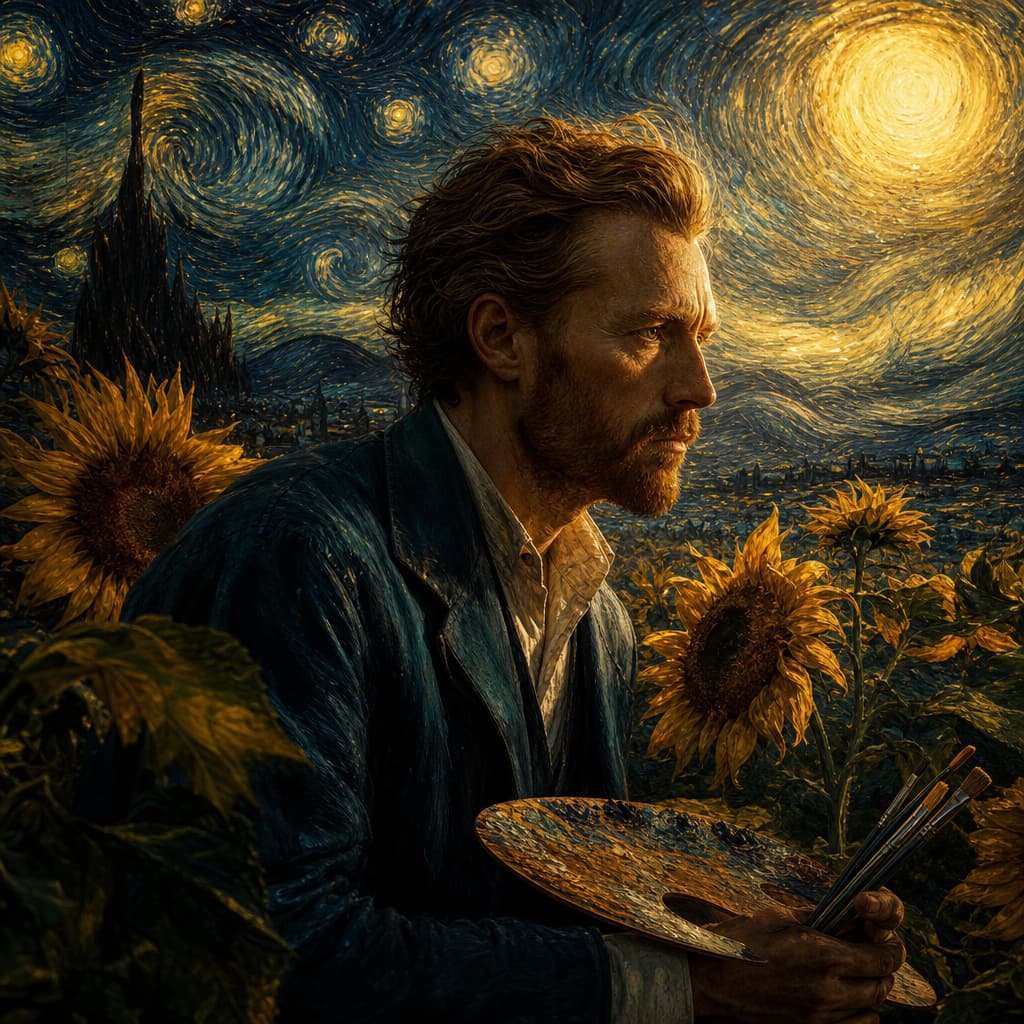
Vincent van Gogh: The visible soul of color

Van Gogh looked at a wheat field or a night sky and could not make it small. What other people saw as background, he saw as almost unbearably alive. That kind of perception is a gift and a cost at the same time.

When intensity runs that high, ordinary life stops feeling ordinary and starts feeling like too much or not enough. The same sensitivity that made his brushwork electric also made rest hard to find. He painted fast, wrote constantly, and gave more than most people around him could receive.

That pattern shows up in real lives too. The person who feels color, sound, or connection more sharply than the room expects often learns to hide the volume. Van Gogh mostly did not hide it. His work is what happens when someone stops apologizing for how much they feel.

Symbolic Astra artwork for: Vincent van Gogh: The visible soul of color

portrait gallery

Mary Shelley: what you create, you are responsible for

Mary Shelley wrote Frankenstein at eighteen, while grieving a child and living inside a circle of brilliant, difficult people. She took real losses and turned them into a question that still has no clean answer: what do you owe the thing you bring into existence? That question was not abstract for her. It was personal.

The story she left behind maps a specific failure. The creator builds something extraordinary, then steps back when it becomes inconvenient. The created thing does not disappear. It finds its own way to be heard. This pattern shows up in work, in relationships, in ideas people launch and then abandon when the weight of them becomes real.

Shelley's life held grief, invention, and consequence in the same hand. That combination is what makes her useful to think with. She did not separate the thrill of making from the cost of it. Anyone who has built something and then had to live with what it became already knows this territory.

Symbolic Astra artwork for: Mary Shelley: Imagination at the edge of creation

learn the sky

Timing is symbolic weather

A transit describes the kind of season you are moving through. It does not tell you what to do. It tells you what kind of attention the moment tends to ask for.

Weather does not command you to bring an umbrella. It just makes certain choices easier or harder. A transit works the same way. You can ignore it, push against it, or use it. The sky does not enforce anything.

Where this matters is when people treat a difficult transit as a sentence. They stop making decisions and wait for it to pass. The chart is a map, not a verdict. You are still the one moving.

Symbolic Astra artwork for: Timing is symbolic weather

portrait gallery

Maya Angelou: voice after silence

Angelou stopped speaking for years as a child. Not because she had nothing to say, but because speech had cost someone else their life. That kind of silence is not shyness. It is a decision made under unbearable pressure, and it leaves a mark on how a person eventually learns to use their voice again.

What she built from that silence was not just poetry. It was a way of speaking that carried the full weight of what had been held back. The authority people felt when she read or spoke came from that history. It was not performance. It was proof that meaning survives when words cannot.

The pattern worth noticing is this: the people who speak most carefully are often the ones who once paid the highest price for speaking at all. Recovering a voice after that kind of silence is not a return to something lost. It is the construction of something new.

Symbolic Astra artwork for: Maya Angelou: Voice after silence

portrait gallery

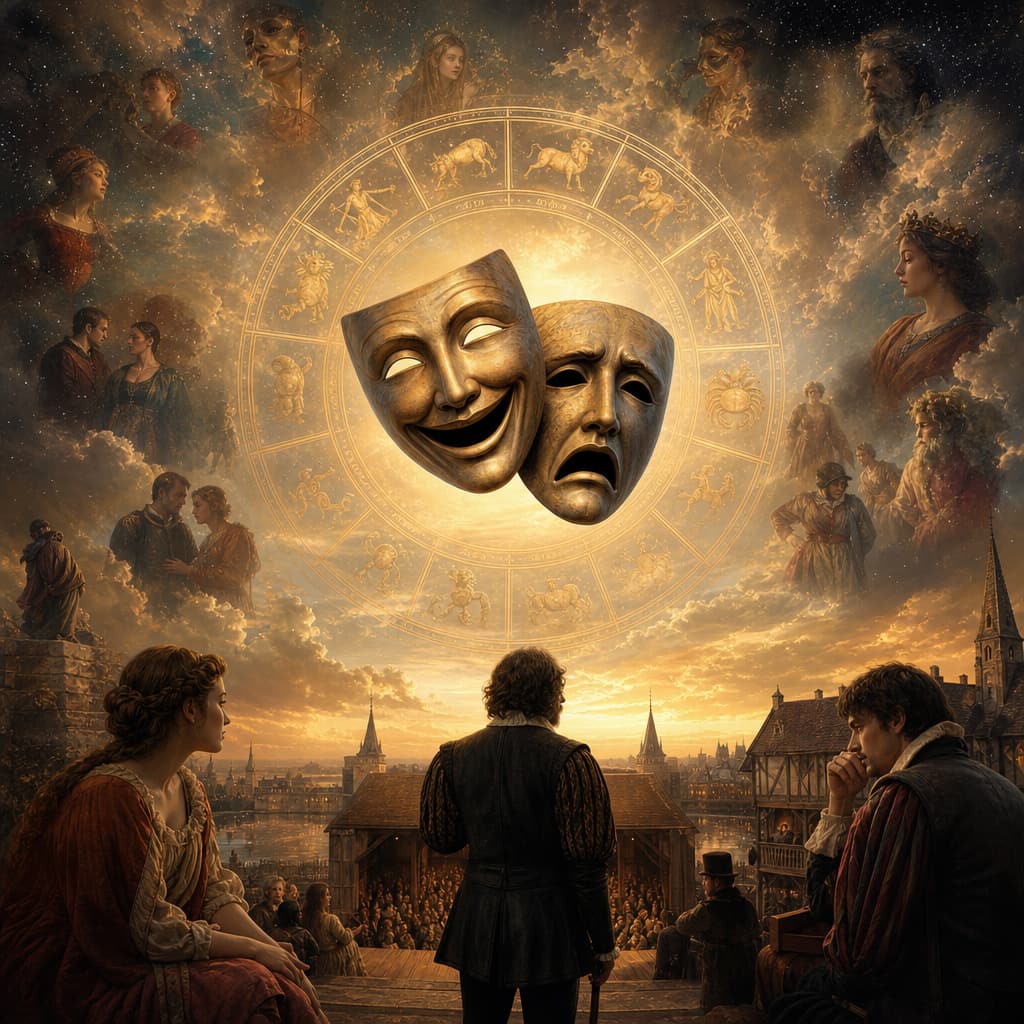
William Shakespeare: The whole theater of human motive

Shakespeare wrote characters who want things badly and then wreck themselves getting them. Jealousy in Othello is not a flaw dropped in from outside. It grows from love that has no floor. That is the pattern he kept returning to: a strength that tips over when the pressure gets high enough.

He also understood disguise as a survival tool. His characters hide their gender, their grief, their ambition, and their loyalty. They do it to stay safe, to get close, or to test whether love is real. The disguise usually works until it doesn't, and what gets exposed is not a lie but something true that could not be said directly.

What makes him useful as a symbolic figure is range without resolution. He does not land on a verdict about human nature. He shows the same impulse producing tragedy in one person and comedy in another. That is not relativism. It is precision about how much context shapes outcome.

Symbolic Astra artwork for: William Shakespeare: The whole theater of human motive

portrait gallery

Georgia O'Keeffe: What full attention does to a flower

O'Keeffe painted flowers so close and so large that people stopped walking past them. She did not add meaning to the flower. She stayed with it long enough that the meaning was already there.

That kind of looking is a practice. It requires slowing down until an ordinary thing fills the frame. Most people move on before that happens. O'Keeffe did not move on.

The pattern she left behind is a useful one. Scale is not always about size. Sometimes it is about how long you are willing to look at something before deciding it has nothing left to show you.

Symbolic Astra artwork for: Georgia O’Keeffe: The sacred scale of attention

portrait gallery

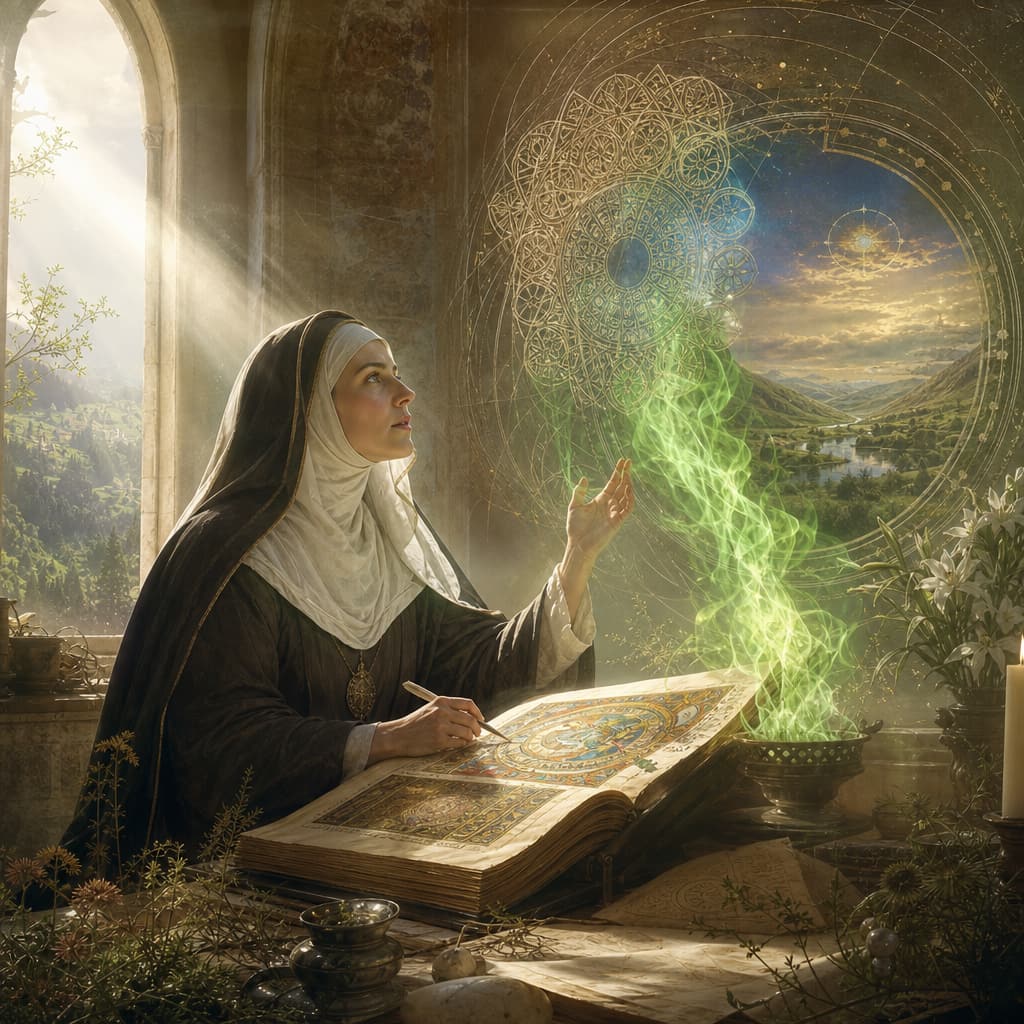
Hildegard of Bingen: Vision as living architecture

Hildegard of Bingen wrote music, diagnosed illness, described ecosystems, and mapped the cosmos — and she did all of it as one project. She did not treat these as separate fields. For her, a melody and a medicinal plant and a vision of divine light were different angles on the same structure.

This is rare. Most people who go deep in one domain lose the thread to the others. Hildegard kept all the threads. She called the animating force in living things viriditas — greenness, vitality, the quality of being alive and generative. It was not a metaphor to her. It was something she could observe, cultivate, and lose.

What she modeled is a way of working where pattern recognition moves across domains without losing precision in any of them. That is hard to do. It requires trusting that the connections are real, not decorative. Hildegard trusted that, and built a body of work that still holds its shape.

Symbolic Astra artwork for: Hildegard of Bingen: Vision as living architecture

learn the sky

The chart repeats itself through life

The same dynamic shows up in different decades wearing different faces. A childhood power struggle becomes a workplace conflict. A teenage heartbreak echoes in a midlife divorce. The costume changes, but the pattern underneath stays recognizable.

This is what chart literacy actually offers. Not prediction, but pattern recognition. When you can name what is happening, you have a half-second more to choose how to respond. That half-second is the whole game.

Most people only see the new situation. They miss that they have been here before and already know something about it. The chart is a map of the repeating territory, not a script for what must happen next.

Symbolic Astra artwork for: The chart repeats itself through life

portrait gallery

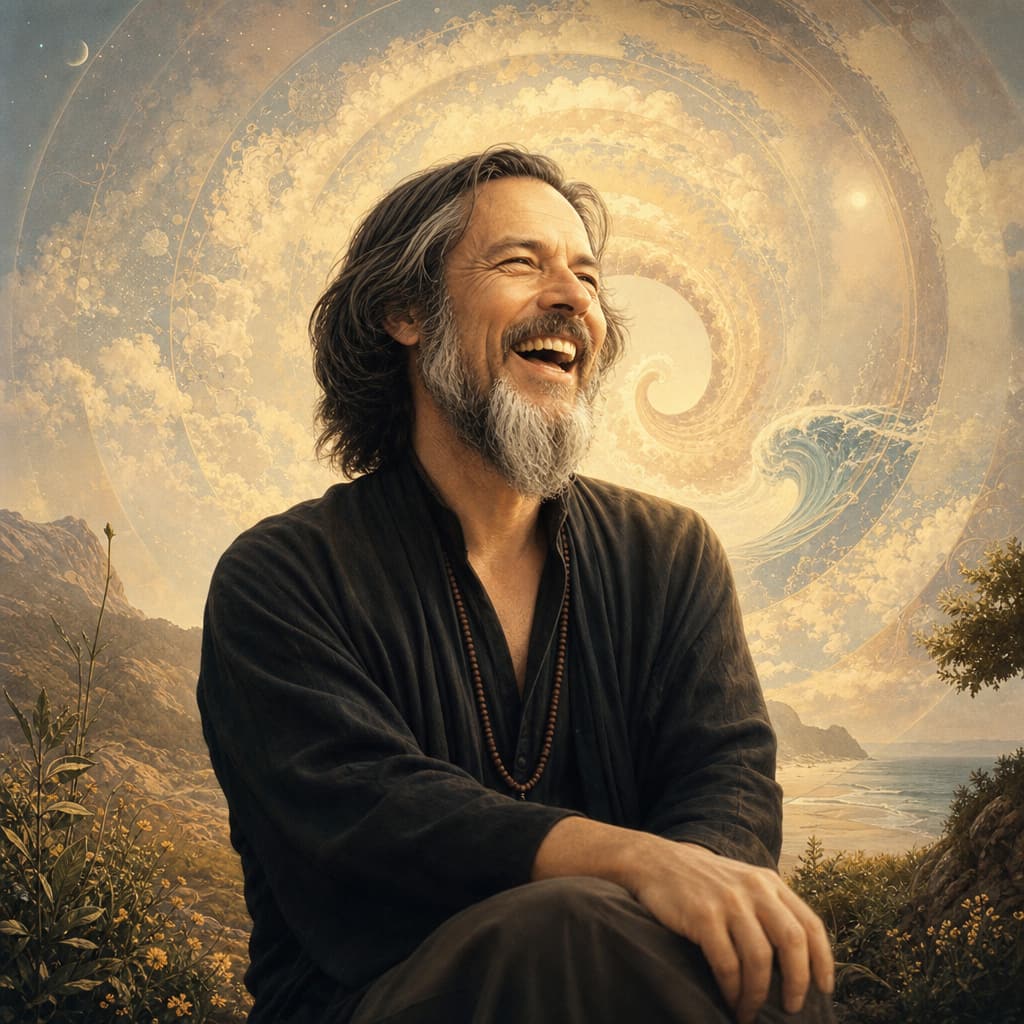
Alan Watts: The joke inside the cosmos

Watts spent his life pointing at one thing: the self you are defending so hard may not be what you think it is. He used laughter and paradox to say what direct argument could not. When he talked about the universe, he meant the water noticing it is the ocean.

His gift was making philosophy feel like relief instead of homework. He could take a hard idea and hold it lightly enough that people actually heard it. That lightness was not avoidance. It was a specific kind of precision.

The tension in his work is still live. Seriousness can become its own trap, a way of feeling important while missing the point. Watts kept asking whether the joke and the truth were the same thing. That question is still worth sitting with.

Symbolic Astra artwork for: Alan Watts: The joke inside the cosmos

portrait gallery

Carl Jung: The underworld as method

Jung did not treat the dark parts of the mind as problems to fix. He treated them as messages to read. Dreams, fears, and the figures that haunt a person were, to him, the psyche doing real work in the only language it had.

He built a method around going down instead of pushing through. Where others looked for what was wrong, Jung looked for what was trying to speak. That shift changed what therapy could ask of a person.

The cost of his approach is that it demands patience most people do not have. You cannot rush a symbol. But what it offers in return is a way to stop being surprised by yourself.

Symbolic Astra artwork for: Carl Jung: The underworld as method

portrait gallery

Rumi: longing as a doorway

Rumi lost his closest friend and didn't go quiet. He went loud in a different direction. The grief became poems. The absence became the subject. That move — turning a hole into a door — is what his public myth is built on.

The pattern shows up in people who can't sit still with loss. They write it, sing it, or talk about it until it starts to mean something. That's not avoidance. It's a specific kind of processing that needs an audience or an art form to complete itself.

The shadow here is that longing can become a permanent address. Some people stay close to the ache because the searching feels more alive than arriving. Rumi's work holds both sides: the genuine transformation and the pull to keep the wound open just enough to keep writing.

Symbolic Astra artwork for: Rumi: Longing as a doorway

learn the sky

The birth chart is a map of beginnings

A birth chart shows the pattern you started with. It marks where certain tendencies are strong, where friction is likely, and where energy wants to move. It does not show what will happen.

The chart is fixed. Your life is not. What changes is how you meet the pattern — which parts you lean into, which parts you avoid, and which parts you slowly learn to work with. Two people with the same chart can live very differently.

Reading a chart well means treating it as a starting point, not a verdict. The map shows the terrain. You still decide how to travel it.

Symbolic Astra artwork for: The birth chart is a map of beginnings

portrait gallery

Ada Lovelace: Poetry inside machinery

Ada Lovelace looked at Charles Babbage's mechanical engine and saw something he didn't. He saw a calculator. She saw a machine that could compose music, manipulate symbols, and follow the logic of any idea a person could express. She wrote that down in 1843, a century before anyone built what she described.

That gap between what she saw and what the world could hear is the interesting part. She had no field to belong to, no peers who shared the vision, and no language that had caught up to her yet. She worked in the margin notes of someone else's paper and still managed to leave the clearest early map of what computing could become.

The pattern worth noticing is this: she didn't wait for the world to name the thing before she described it. That's a specific kind of courage. It shows up when someone trusts what they see even when the vocabulary doesn't exist yet.

Symbolic Astra artwork for: Ada Lovelace: Poetry inside machinery

portrait gallery

Joseph Campbell: The pattern beneath the story

Campbell spent his career pointing at one thing: the same road keeps appearing under different names. A Sumerian king, a Polynesian fisherman, a Marvel hero — the structure holds. The masks change. The journey does not.

His real contribution was practical. He gave people a way to look at their own hard chapter and recognize it. The refusal, the threshold, the ordeal — these were not metaphors. They were a map of what humans actually do when life forces a change.

The tension in his work is real too. A single pattern can clarify, and it can also flatten. Not every story fits the mold, and some people have used his framework to skip the specific grief of their own particular life. The map is useful. It is not the territory.

Symbolic Astra artwork for: Joseph Campbell: The pattern beneath the story

portrait gallery

Leonardo da Vinci: Curiosity without borders

Leonardo filled notebooks with birds, bones, water currents, and siege engines. He did not treat these as separate subjects. To him, the wing of a bird and the mechanics of a catapult were the same question asked in different materials.

That kind of mind is a gift and a cost. He started more than he finished. Patrons waited. Paintings sat incomplete for years. The curiosity that made him extraordinary also made him hard to pin down, and he knew it.

What he shows is that refusing to stay in one lane is not always restlessness. Sometimes it is how a particular kind of intelligence actually works. The friction comes when the world wants a product and the mind wants another question.

Symbolic Astra artwork for: Leonardo da Vinci: Curiosity without borders

learn the sky

The progressed chart changes slowly

Your birth chart is a snapshot. The progressed chart is what happens to that snapshot over time — and it moves at the pace of a season, not a news cycle. A progressed Moon takes about two and a half years to move through one sign. A progressed Sun takes roughly thirty years to shift signs once.

This is why progressions rarely match a single dramatic event. They describe something more like a slow change in what you want, what you notice, or what feels worth protecting. You might look back and realize you were a different person five years ago — not because something happened, but because something shifted underneath.

Progressions are most useful when you stop asking what they predict and start asking what they describe. They track an interior arc. The outer events are still there, but progressions point to the person moving through them.

Symbolic Astra artwork for: The progressed chart changes slowly

portrait gallery

Jane Goodall: Listening across species

Goodall sat still in the forest for months before the chimpanzees stopped running. She did not try to name what they were before she watched them. That kind of patience is rare, and it changed what science thought it knew about animal life.

What she modeled was specific: slow down, stay present, let the other creature set the terms. Most people find that hard even with other humans. She did it across a species boundary, with a notebook and no guarantee it would work.
The practical inheritance she leaves is not just about wildlife. It is a method. You can bring the same quality of attention to a child, a colleague, or a place. The question she keeps asking is whether you are willing to be wrong about what you assumed before you looked.

Symbolic Astra artwork for: Jane Goodall: Listening across species

portrait gallery

David Bowie: identity as art form

Bowie changed his name, his face, his sound, and his persona more than once. Each shift was deliberate. He treated who he was as something he could compose, not something fixed that he had to defend.

Most people learn early that identity is supposed to stay consistent. Changing too much reads as unstable or untrustworthy. Bowie's career is a long argument against that. He showed that reinvention can be a form of honesty, not evasion, when the change is intentional and owned.

The tension in his story is real. Not everyone has the platform or the safety to remake themselves publicly. But the underlying move, deciding that you are not locked into the version of yourself other people first met, is available in smaller ways to most people.

Symbolic Astra artwork for: David Bowie: Identity as art form

portrait gallery

Harriet Tubman: Guidance by night

Tubman moved people through darkness by reading what was actually there. Stars, rivers, moss on trees, the sound of water moving north. She did not wait for safety. She used what the night gave her and kept going.

That pattern shows up in her whole story. She made nineteen trips back. She carried a pistol not for enemies but to keep frightened travelers from turning around. She knew that hesitation in the middle of a crossing could kill everyone. So she removed the option. That is not cruelty. That is someone who understood what the moment required.

The symbolic weight she carries in American culture is real. She is the person who knew the route when no map existed. She is also the person who stayed accountable to others even when escape alone would have been easier. Those two things together are what make her story last.

Symbolic Astra artwork for: Harriet Tubman: Guidance by night

learn the sky

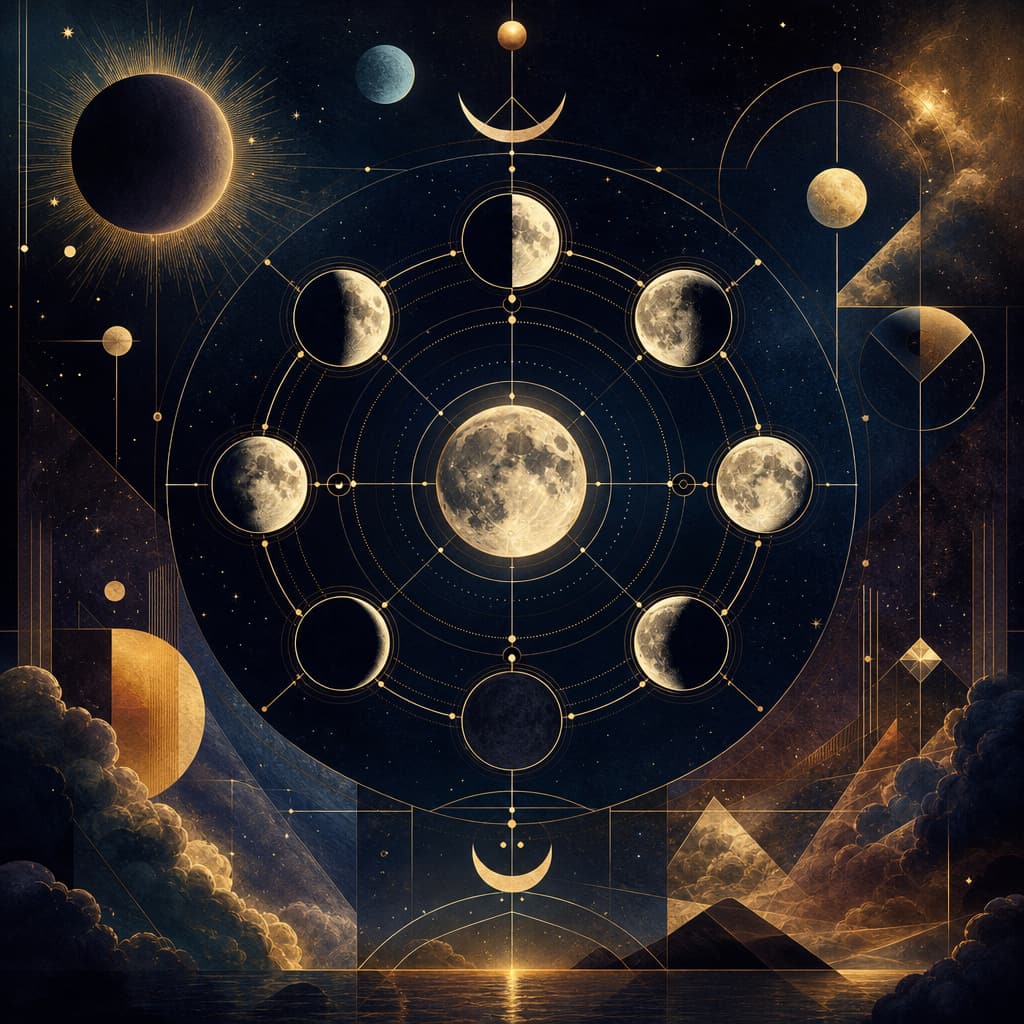
The Moon phase sets a mood

The Moon moves through a cycle every 29 days. Each phase has a different feel: new moons pull toward starting things, full moons tend to surface what's been building, and the days after a full moon often push toward letting go or slowing down.

You don't need a chart to use this. Just knowing where the Moon is in its cycle gives you a simple frame for why some days feel like momentum and others feel like friction. A new moon isn't a command to set intentions. It's just a natural low point before things build again.

The cycle doesn't change what happens to you. It gives you a way to notice patterns in your own energy over time. Some people find that tracking even a few cycles helps them stop treating their slow days as failures.

Symbolic Astra artwork for: The Moon phase sets a mood

portrait gallery

Hypatia: Mind as a lamp in a dangerous city

Hypatia taught mathematics and astronomy in Alexandria at a time when the city was fracturing along religious and political lines. She kept her classroom open. She answered questions from students of different faiths. That choice was not naive. It was a decision to treat reason as common ground when common ground was disappearing.

What she carried was not just knowledge. It was the belief that a clear explanation could hold more people together than a sword could. That belief made her useful to some and threatening to others. The lamp metaphor is accurate because a lamp does not choose who sees by its light, and that is exactly what makes it dangerous in a city that wants darkness in certain corners.

Her story surfaces wherever someone keeps teaching, publishing, or speaking plainly inside an institution that is starting to punish clarity. The cost she paid was total. But the pattern she represents is still recognizable: the person who refuses to dim the work to survive the room, and what that refusal asks of them.

Symbolic Astra artwork for: Hypatia: Mind as a lamp in a dangerous city

portrait gallery

Prince: desire as sovereignty

Prince built a career on the idea that desire is not weakness. It is a decision. He dressed the way he wanted, played every instrument himself, and fought a public legal battle to own his name. Each move said the same thing: no one else gets to define what this is.

That kind of control takes real cost. It means fewer collaborators, more conflict, and a reputation for being difficult. But it also means the work stays intact. What you see is what he chose, not what a label shaped.

The pattern worth noticing is how precision and sensuality usually get split apart. Prince refused that split. He treated both as the same act of authority. That combination is rare, and it is why the catalog still sounds like it belongs to one person.

Symbolic Astra artwork for: Prince: Desire as sovereignty

portrait gallery

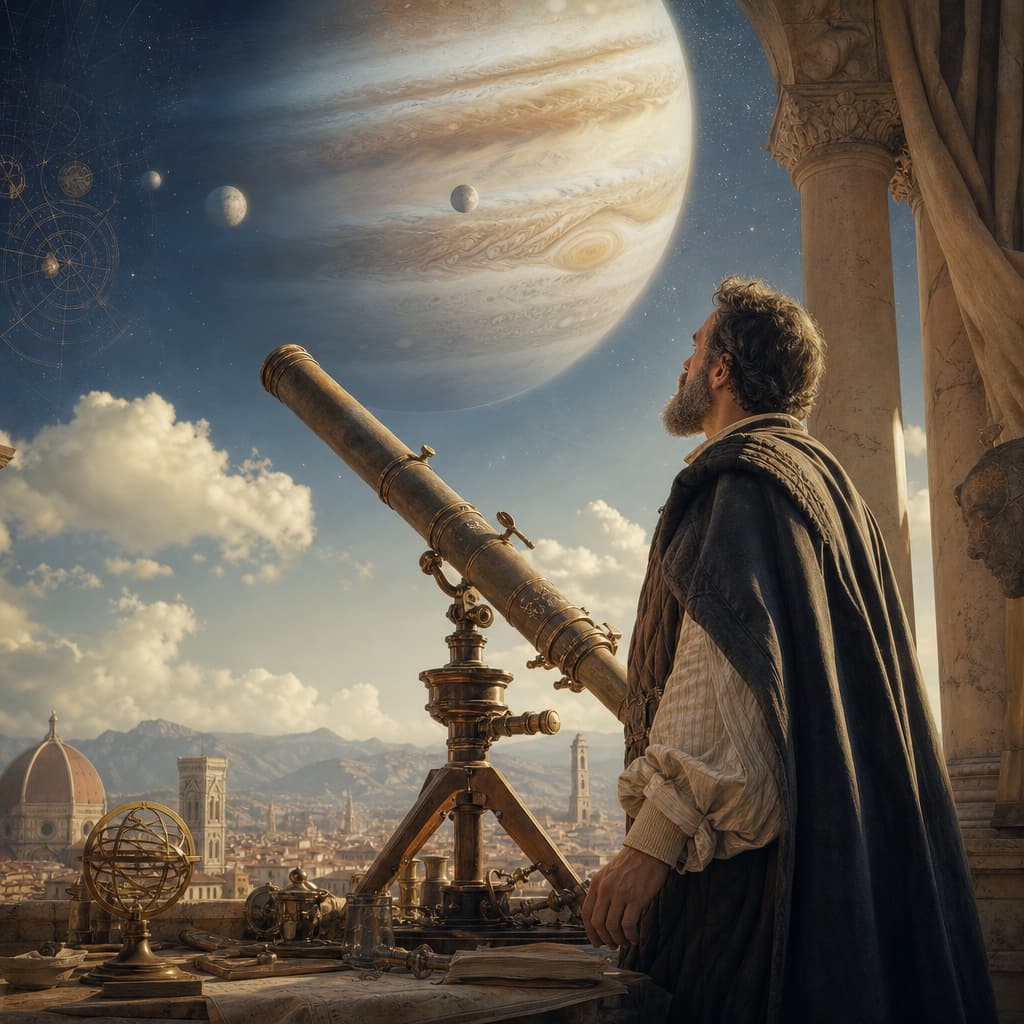
Galileo Galilei: The sky against authority

Galileo pointed a lens at Jupiter and wrote down what he saw. The moons moved. The old model said they couldn't. He published anyway.

That choice had a price. He wasn't punished for being wrong. He was punished for being careful and saying so out loud. The threat wasn't his telescope. It was his notes.

He stands as a symbol for anyone who has measured something true and then had to decide what to do with it. Looking directly costs something. So does looking away.

Symbolic Astra artwork for: Galileo Galilei: The sky against authority

learn the sky

Retrograde means revisit

When a planet goes retrograde, it appears to move backward in the sky. Astrologers read that as a signal to slow down on whatever that planet governs — communication, relationships, ambition — and look at what you skipped or left unfinished.

This is where plans stall, old contacts resurface, or a decision you thought was settled asks for a second look. That is not a malfunction. It is a different pace, and sometimes the pace is the point.

Retrograding planets do not ruin things. They flag things that were not quite ready. The question worth asking is not "why is this blocked" but "what did I miss the first time around."

Symbolic Astra artwork for: Retrograde means revisit

portrait gallery

Frederick Douglass: The self authored into freedom

Douglass was born into a system that made it illegal for him to read. He learned anyway. He wrote his own name into history at a time when others held the pen.

His power came from language. Not as decoration, but as proof. Every speech he gave was evidence that the story assigned to him at birth was wrong. He used words the way other people use keys.

What he modeled is rare: a person who looks at the story imposed on them and decides it is not the final draft. That refusal takes more than courage. It takes a clear-eyed belief that the self is not fixed by what others have declared it to be.

Symbolic Astra artwork for: Frederick Douglass: The self authored into freedom

learn the sky

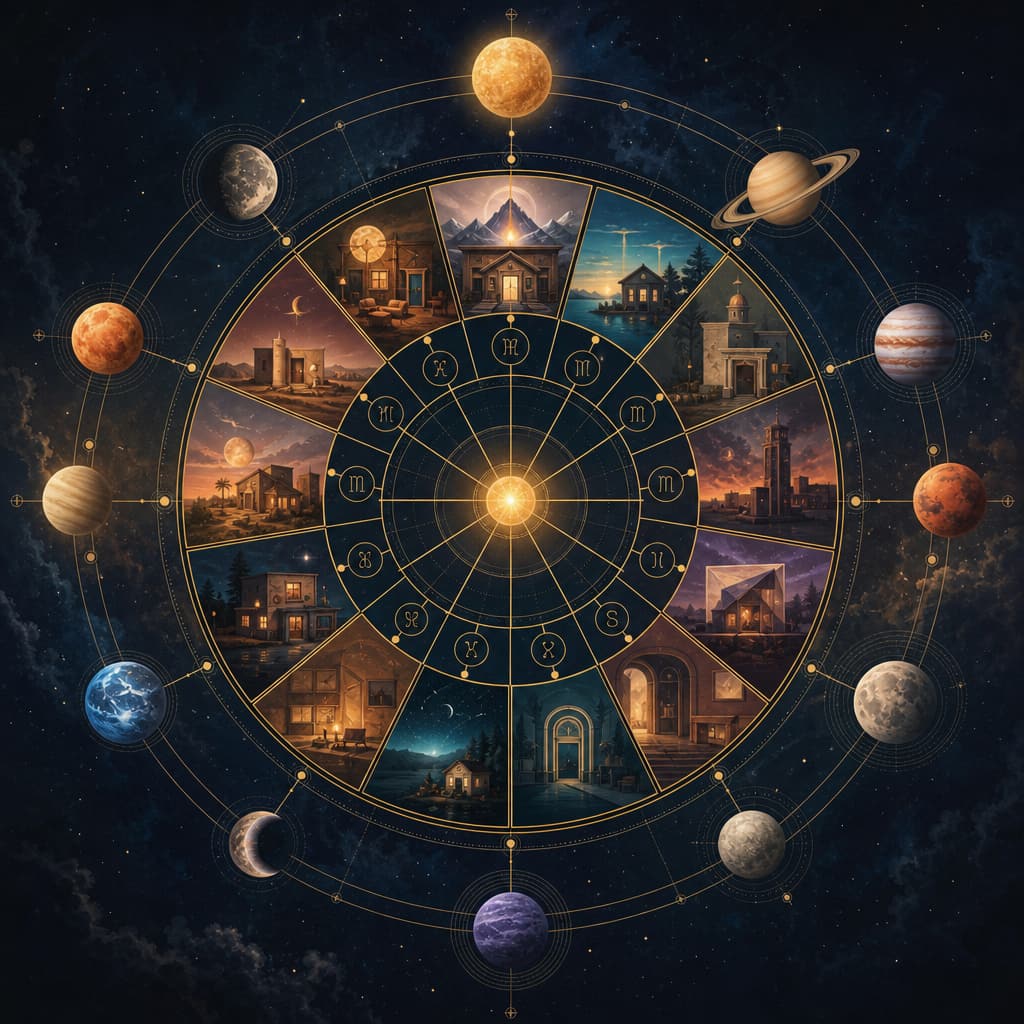
The houses anchor the planets

A planet describes what you do. Mars pushes. Venus pulls toward. Saturn holds back. The planet is the verb.

A house is where that verb plays out. Mars in the seventh house pushes inside relationships. Mars in the tenth pushes inside your career. Same drive, different room.

When a chart reading feels vague, this is usually why. The planet got named but the house got skipped. The house is what makes it personal.

Symbolic Astra artwork for: The houses anchor the planets

learn the sky

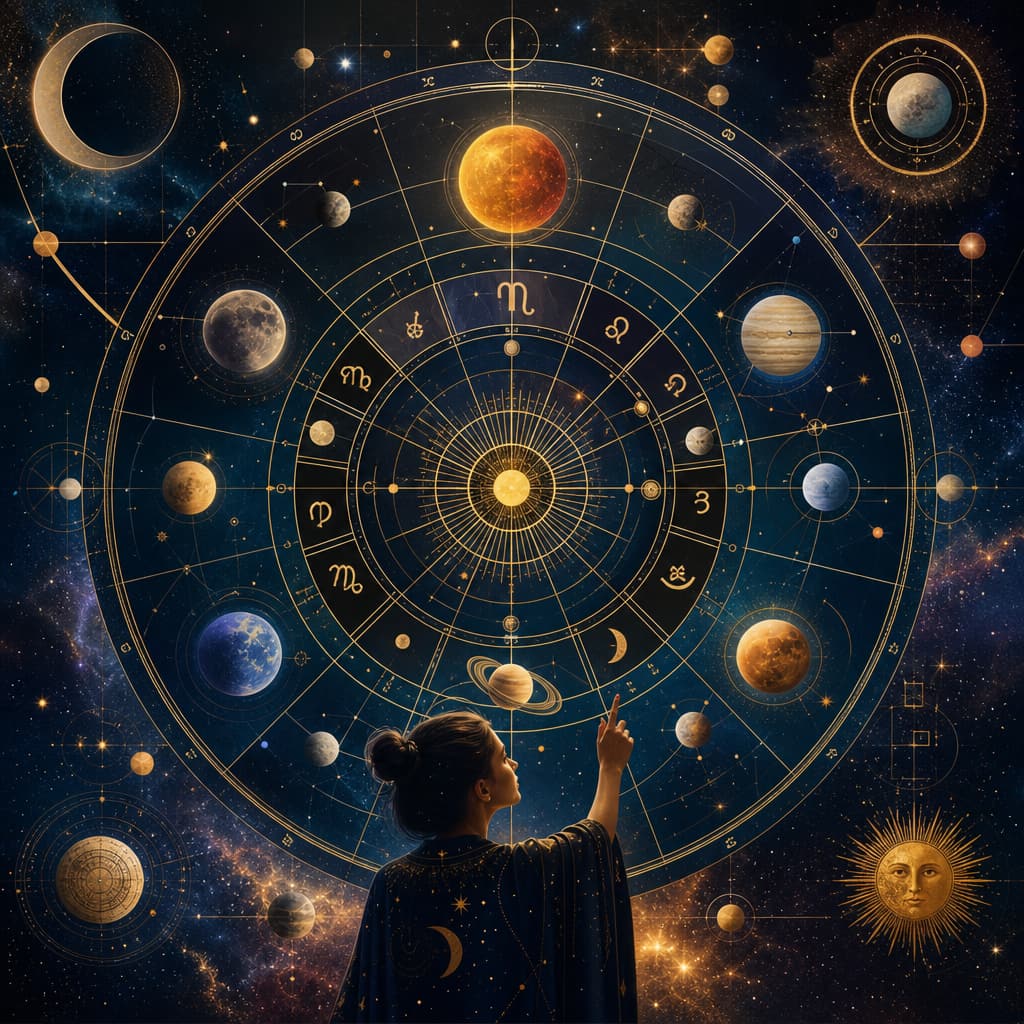
The whole chart matters

One placement does not tell the whole story. A sun sign describes one layer. A rising sign describes another. The chart is what happens when all of them are in the room together.

Good chart reading listens for what repeats, what conflicts, and what shows up unexpectedly. A theme that appears three times across different symbols carries more weight than a single dramatic placement. Tension between two parts of the chart is often more revealing than either part alone.

This is why reducing someone to their sun sign misses most of the picture. It is like reading one chapter and calling it the book. The pattern across the whole chart is where the real information lives.

Symbolic Astra artwork for: The whole chart matters

learn the sky

Your Sun is not your whole chart

Most people know their Sun sign. It is the one you look up first, the one on the birthday card. But the Sun is one placement in a chart that holds ten planets, twelve houses, and a web of angles between them.

Someone can be a Scorpio Sun and still be warm and open because their Venus or rising sign pulls in a different direction. Someone can be a Gemini Sun and still crave deep routine because Saturn or the Moon says otherwise. The Sun describes where you want to shine. It does not describe everything you feel, fear, or reach for.

Reading only your Sun sign is like reading one chapter of a book and calling it the whole story. The rest of the chart fills in what the Sun cannot explain on its own.

Symbolic Astra artwork for: Your Sun is not your whole chart

learn the sky

The Ascendant is the threshold

Your rising sign is the first thing people read before you say a word. It shapes how you walk in, how a room receives you, and what others assume about you in the first few minutes.

It also shapes how life lands on you. A Scorpio rising tends to attract intensity even when they are not looking for it. A Sagittarius rising often gets handed opportunities and exits in equal measure. The door swings both ways.

Your Sun sign is who you are working to become. Your rising sign is the entrance to that work. Knowing the difference helps you stop apologizing for the first impression and start understanding it.

Symbolic Astra artwork for: The Ascendant is the threshold

learn the sky

A square is friction looking for motion

A square in a chart means two parts of you want different things and neither one will back down. That tension shows up as restlessness, overcompensation, or a problem that keeps returning in slightly different clothes.

The pressure is real. But pressure without direction just exhausts you. When a square gets honest work — a project, a discipline, a decision that actually costs something — it tends to produce more output than the easier parts of the chart.

A square is not a flaw to fix. It is energy that needs somewhere to go. The people who use it well are usually the ones who stopped waiting for the friction to disappear.

Symbolic Astra artwork for: A square is friction looking for motion

learn the sky

A trine is ease, not a guarantee

A trine in your chart means two planets work together without friction. That feels like a natural ability, something that comes easily and does not cost you much effort to access.

But easy access is not the same as automatic output. People with strong trines sometimes coast on the potential and never quite develop it into a real skill. The ease can quietly become a reason not to push.

A trine is more like a clear road than a moving car. You still have to drive. The ability is real, but it only becomes something visible when you put it into regular use.

Symbolic Astra artwork for: A trine is ease that still needs use

learn the sky

An opposition is a bridge

An opposition in your chart means two planets sit directly across from each other. They pull in opposite directions, and you feel that pull as a real tension in your life — not a flaw, just two things that both matter.

Maybe it's freedom versus commitment. Rest versus ambition. Your needs versus someone else's. The opposition doesn't ask you to pick a winner. It asks you to hold both sides without dropping one.

People who work their oppositions well don't eliminate the tension. They get better at moving between the two poles. That back-and-forth is the bridge. The work is relationship, not resolution.

Symbolic Astra artwork for: An opposition is a bridge

learn the sky

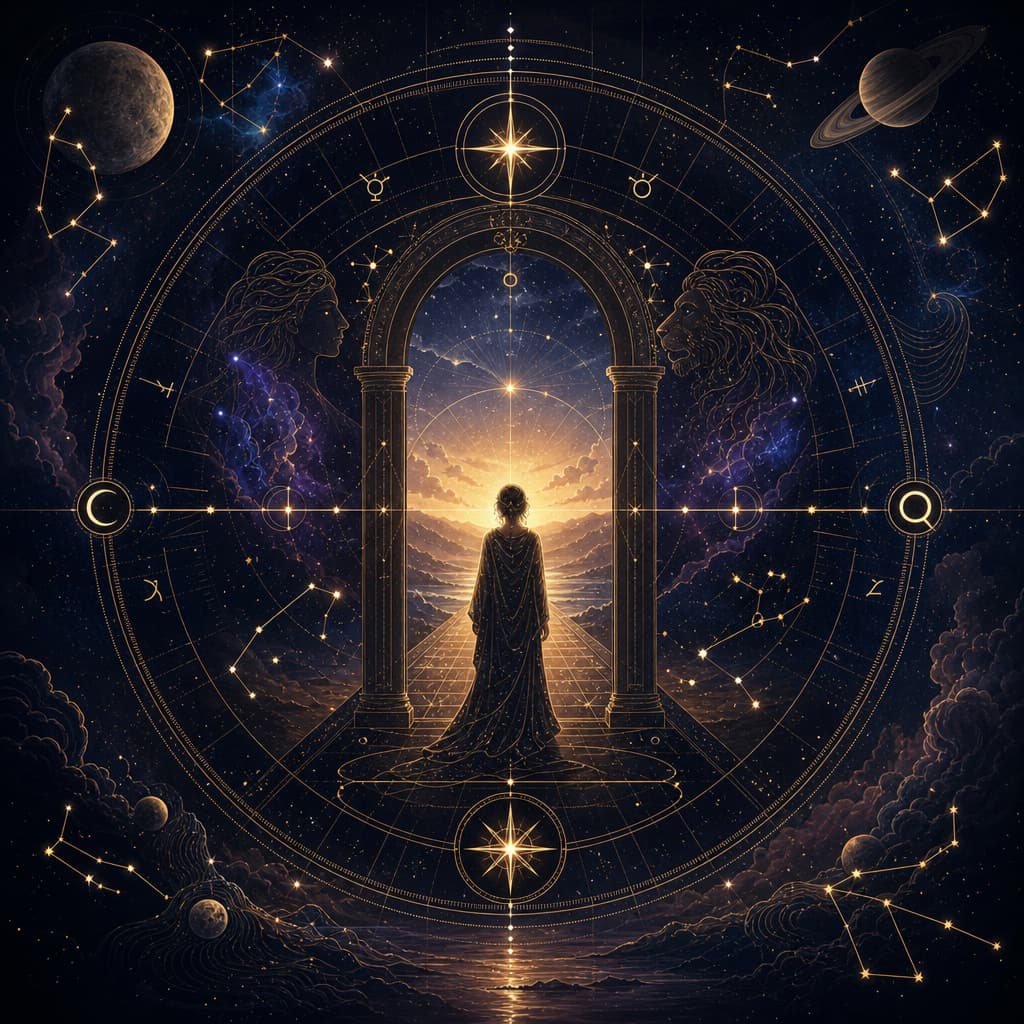
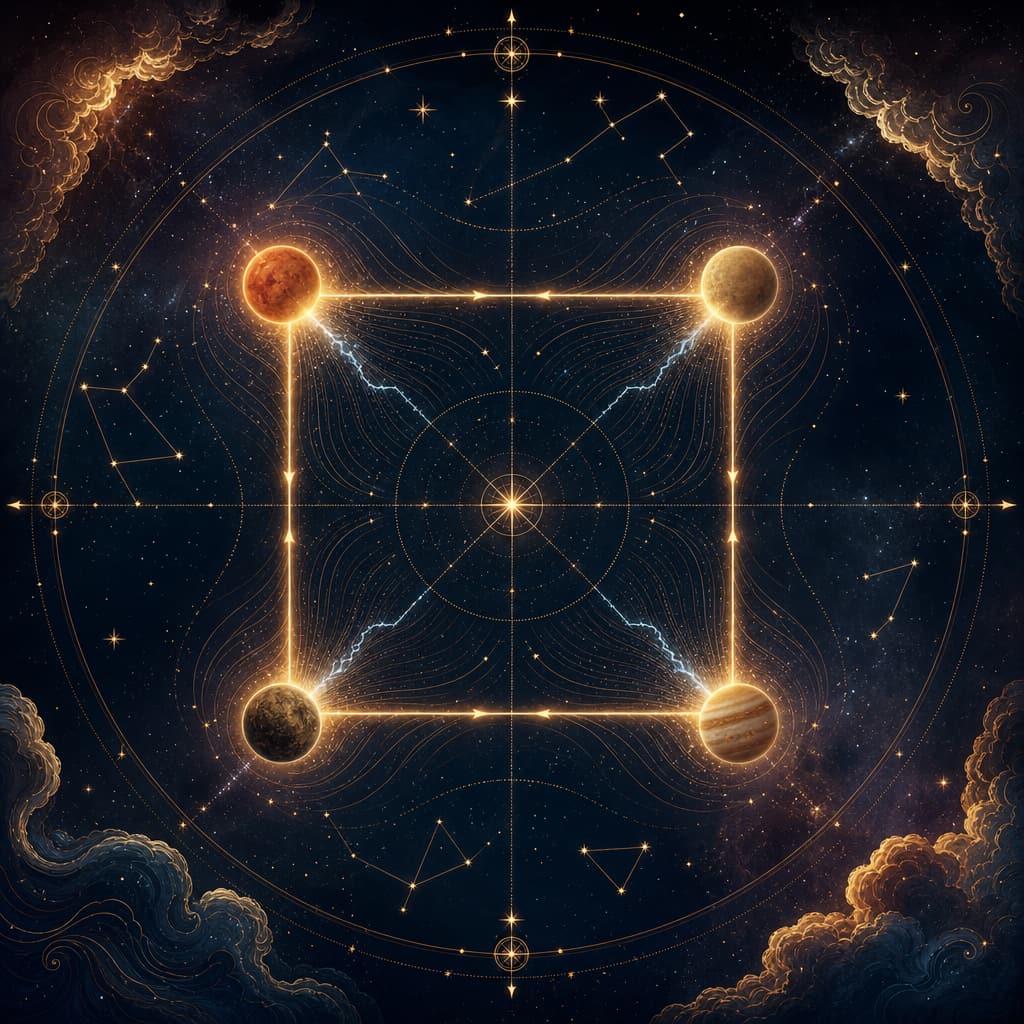
A conjunction turns up the volume

A conjunction happens when two planets occupy the same degree of the sky. Their energies don't take turns. They run together, and the result is louder than either one alone.

In a birth chart, this can look like a trait that is hard to separate from your identity. Someone with the sun conjunct Mars may not notice where ambition ends and self-image begins. The two are fused, and that fusion is usually obvious to everyone around them before it is obvious to the person living it.

Conjunctions are not problems. They are concentrations. The question they raise is whether you are using that intensity or whether it is using you.
Symbolic Astra artwork for: A conjunction turns up the volume

learn the sky

Fire signs move by ignition

Fire placements in a chart show up where someone needs a spark to get moving. They don't wait for a full plan. They start, and the plan forms behind them.

This works well when speed matters and hesitation would cost more than a mistake. It gets harder when the spark burns out before the follow-through, or when starting feels like enough and finishing doesn't get the same energy.

The gift here is real: fire signs can move when other people are still thinking. The friction is that ignition and momentum are not the same thing. Knowing which one you're better at is useful information.

Symbolic Astra artwork for: Fire signs move by ignition

learn the sky

Earth signs move by contact

Earth signs trust what they can physically verify. Something you can touch, build, tend, repeat, pay for, fix, or carry in your hands. That is what registers as real to them.

This shows up as patience with slow work and skepticism toward anything that can't be demonstrated. An earth sign will often wait to see proof before they commit. They are not being cold. They are being careful in the way that makes sense to them.

The cost can come when something real and valuable — a feeling, a possibility, a relationship — doesn't have a physical form yet. Earth can dismiss it too soon. The gift is that when earth signs do commit, they tend to stay, build, and follow through.

Symbolic Astra artwork for: Earth signs move by contact

portrait gallery

Albert Einstein: imagination that knew the rules first

Einstein did not ignore structure. He learned it well enough to see where it broke down. That is a different move than simply thinking freely — it requires patience with the thing you are about to question.

The public myth flattens this. It turns him into a symbol of pure creative spark, which lets people skip the part where he spent years inside the math. Imagination without that foundation is just restlessness.

The pattern worth borrowing is not rebellion. It is deep familiarity followed by a specific, honest question. Most breakthroughs look like that from the inside.

Symbolic Astra artwork for: Albert Einstein: Imagination as structure-breaking

portrait gallery

Nikola Tesla: the cost of arriving too early

Tesla could see how things would work before the tools existed to build them. That gap between vision and readiness is not a gift that pays off cleanly. It tends to isolate the person carrying it.

He died with notebooks full of ideas that took decades to matter. The market could not price what it could not yet use. Being right too soon can look, from the outside, almost identical to being wrong.

The Tesla pattern shows up when someone's clearest thinking lands in rooms that aren't ready for it. The work still has value. The timing just makes it harder to prove.

Symbolic Astra artwork for: Nikola Tesla: The future arriving too early

portrait gallery

Marie Curie: Devotion under pressure

Curie worked in cold sheds with materials that were slowly killing her. She did not wait for the work to feel safe before she continued. That is a particular kind of discipline: staying with a hard problem without demanding it become easier first.

The pattern she models is patient, repeated contact with something that does not yield quickly. She kept detailed notebooks. She ran the same experiments again. She did not dress the difficulty up as meaning — she just kept going.

Where this matters is in any work that asks for long attention without quick reward. The cost of that kind of devotion is real. So is what it produces.

Symbolic Astra artwork for: Marie Curie: Devotion under pressure

portrait gallery

Carl Sagan: wonder with discipline

Sagan did something specific. He stood in front of large audiences and let himself be visibly moved by the size of the universe, then explained the physics anyway. That combination was rare. Most people who feel awe keep it private. Most people who explain science keep it dry.

He made it normal to hold both at once. You could care about the numbers and still feel the weight of them. That is a skill, not just a personality trait. It takes discipline to stay precise when something genuinely moves you.

The tension in his work was real. He wanted people to feel small and significant at the same time. That is a hard thing to carry, and he carried it publicly for decades. The pale blue dot speech is still the clearest example anyone has found of what that looks like when it works.

Symbolic Astra artwork for: Carl Sagan: Wonder with discipline